Personal Product
Moolo, a receipt scanner built around trust
I designed and built a local-first product that turns messy receipts into useful spending without forcing people to create an account.
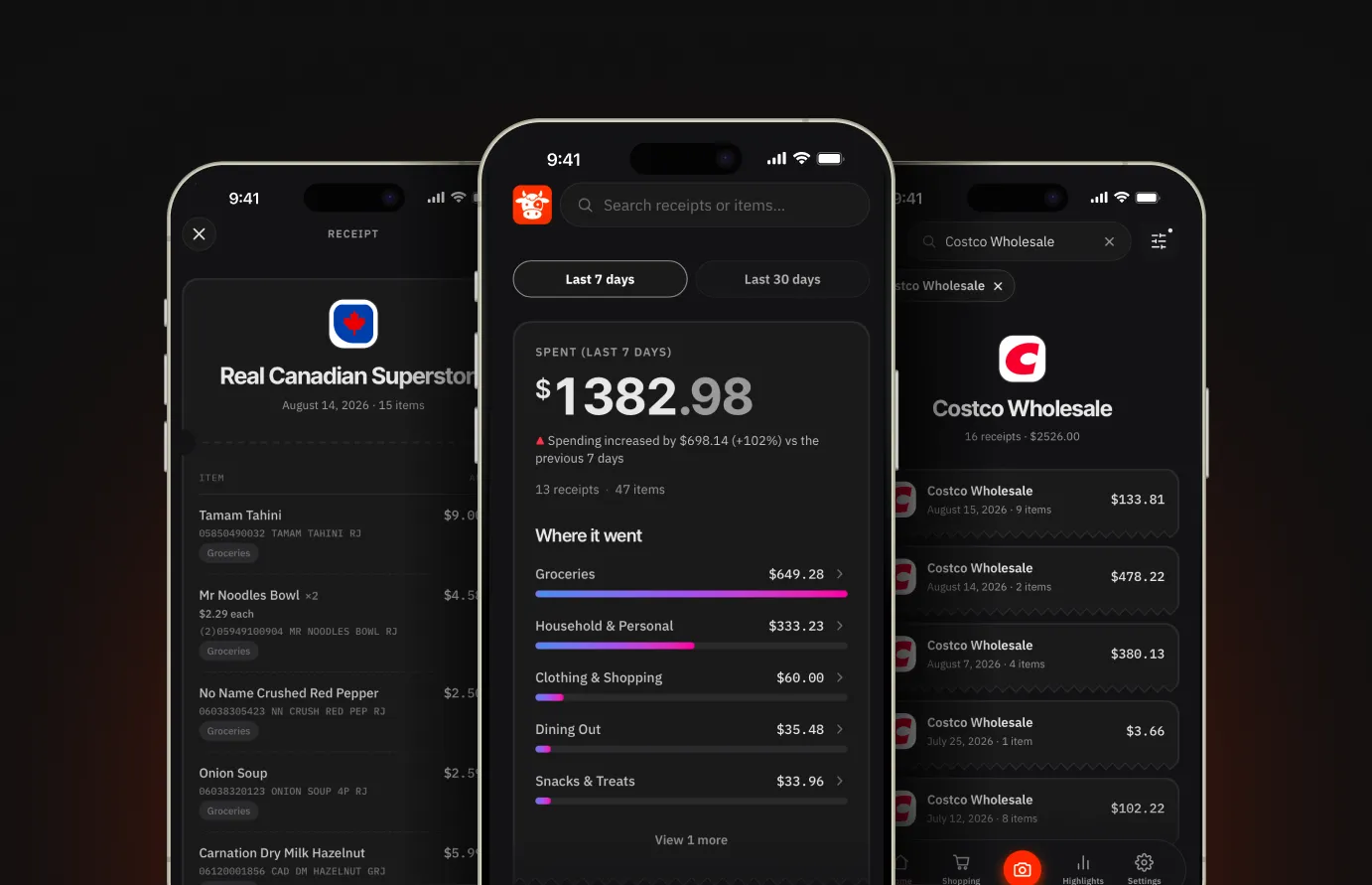
Moolo turns a paper receipt into clear, searchable spending in a few seconds. It reads each item, replaces store shorthand with useful names, organizes purchases into categories, and checks the result against the total. I took it from an idea to a shipped App Store product, leading the strategy, interface, build, brand, and decisions around how people’s data should be handled.
The receipt had the detail banks could not show
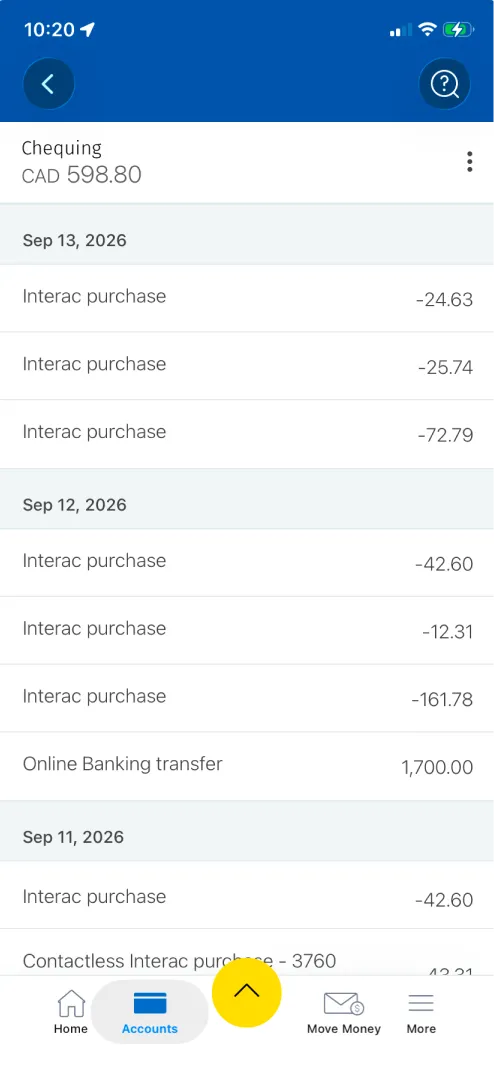
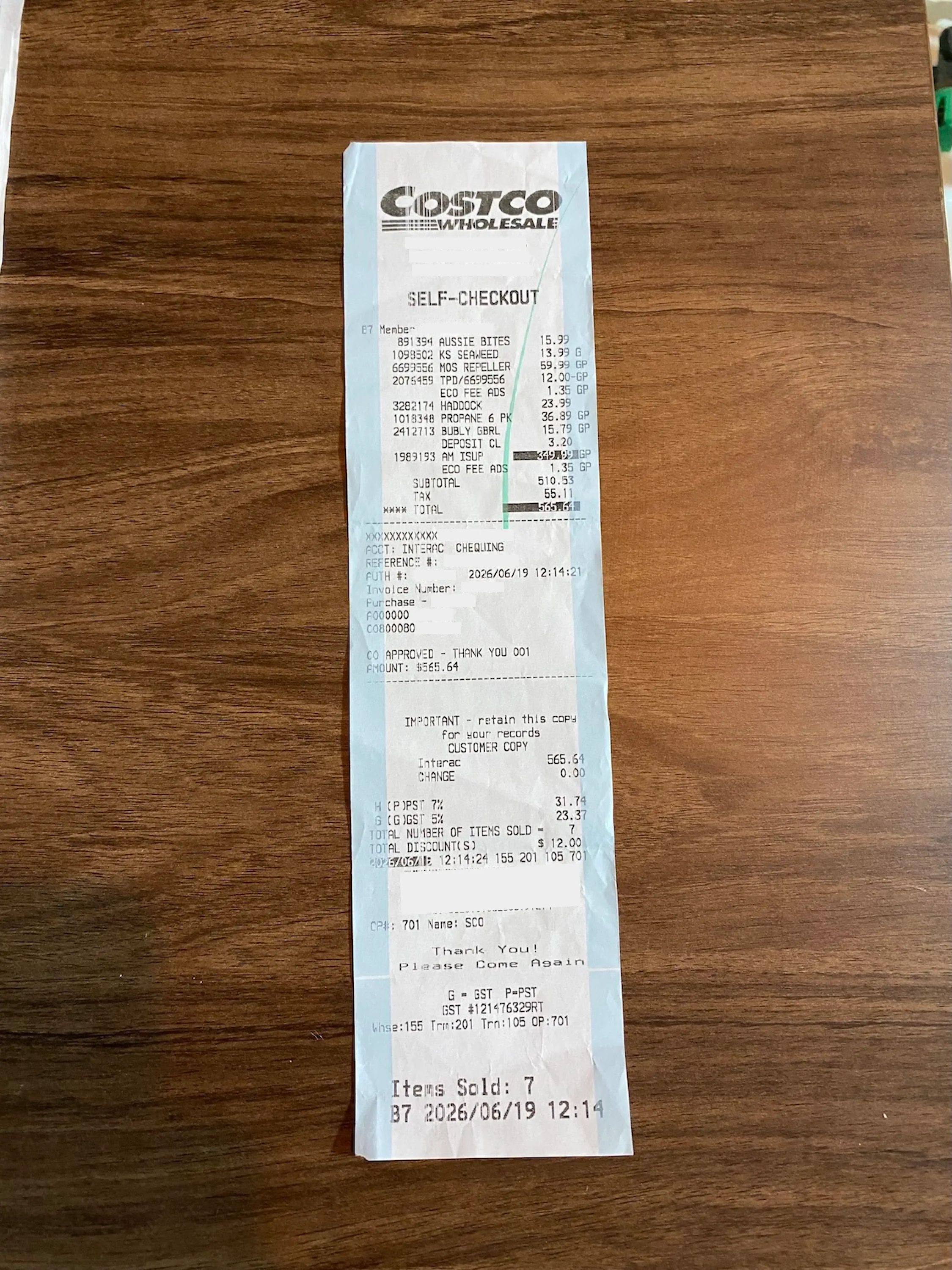
Banking apps could show me that I had spent $84 at Costco, but not what I bought or where that money belonged. The useful detail was trapped on paper, written in abbreviations that were hard to search or remember. I did not want another finance dashboard. I wanted to turn the receipt itself into a record people could understand and use.
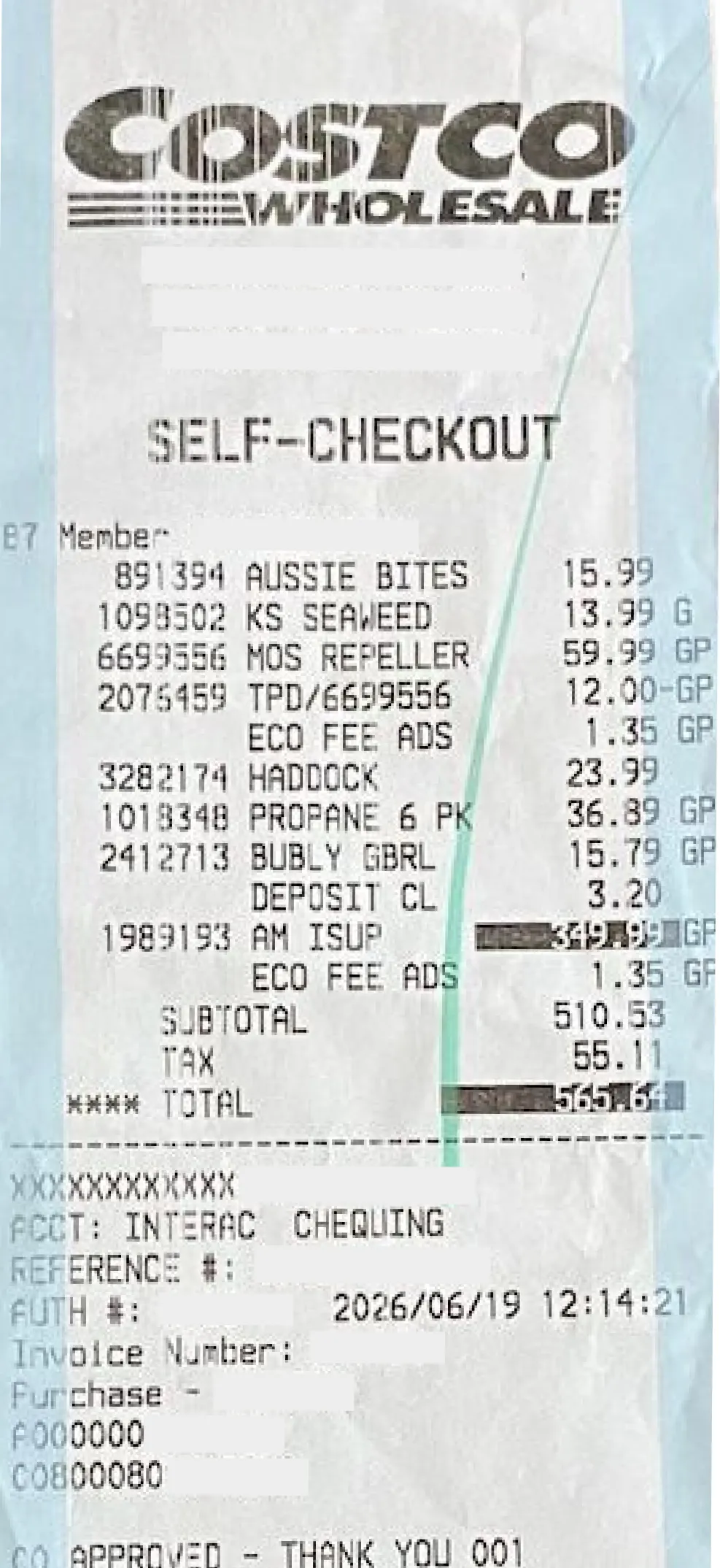
Reading the receipt was only half the job
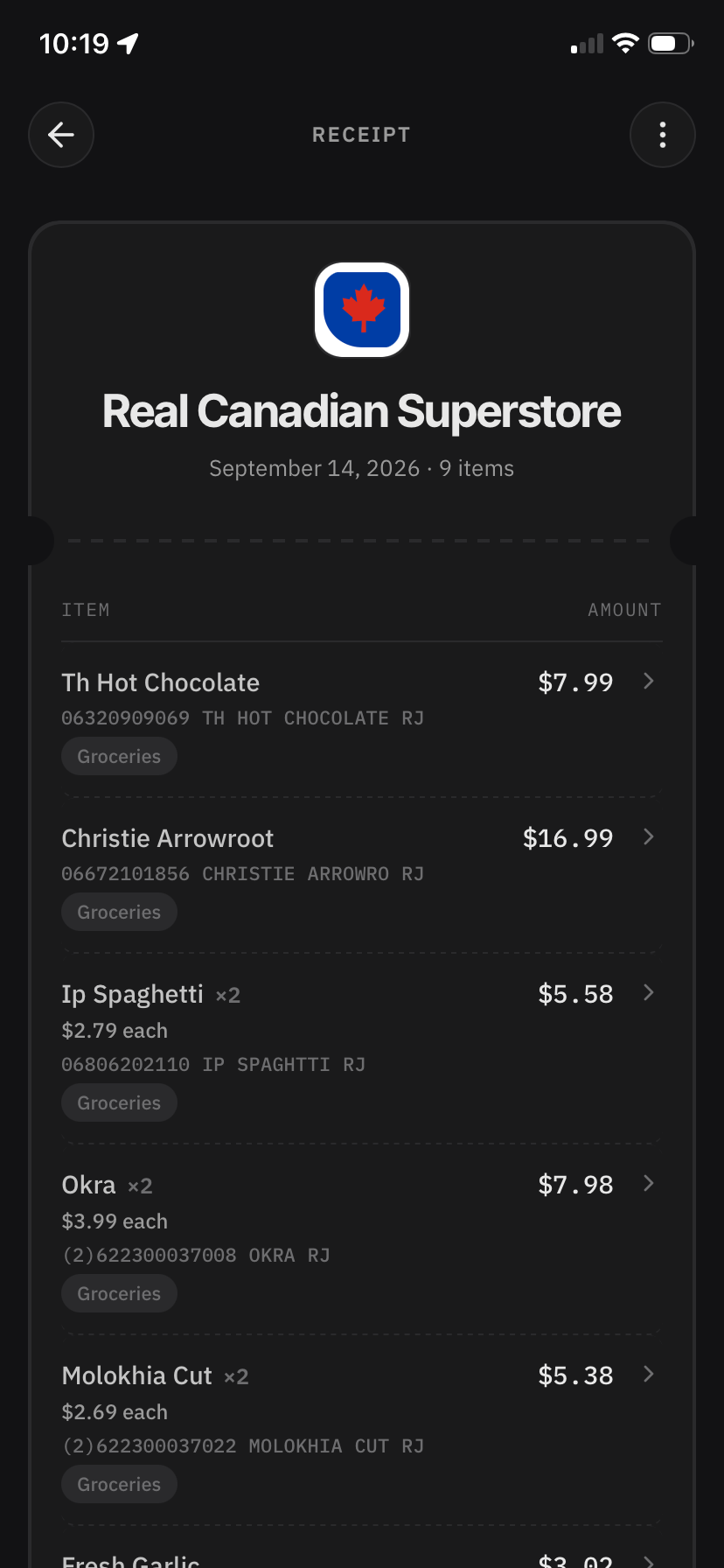
AI can turn a photo into data quickly, but it can also misread an item or price. Hiding that uncertainty would make the product feel effortless once and unreliable forever. Moolo checks the item math against the receipt total, shows whether it matches, and lets people correct any line in place before saving.
Understand your spending.One receipt at a time.
Scan a receipt in seconds, and see where your money actually goes.
Start with value, not registration
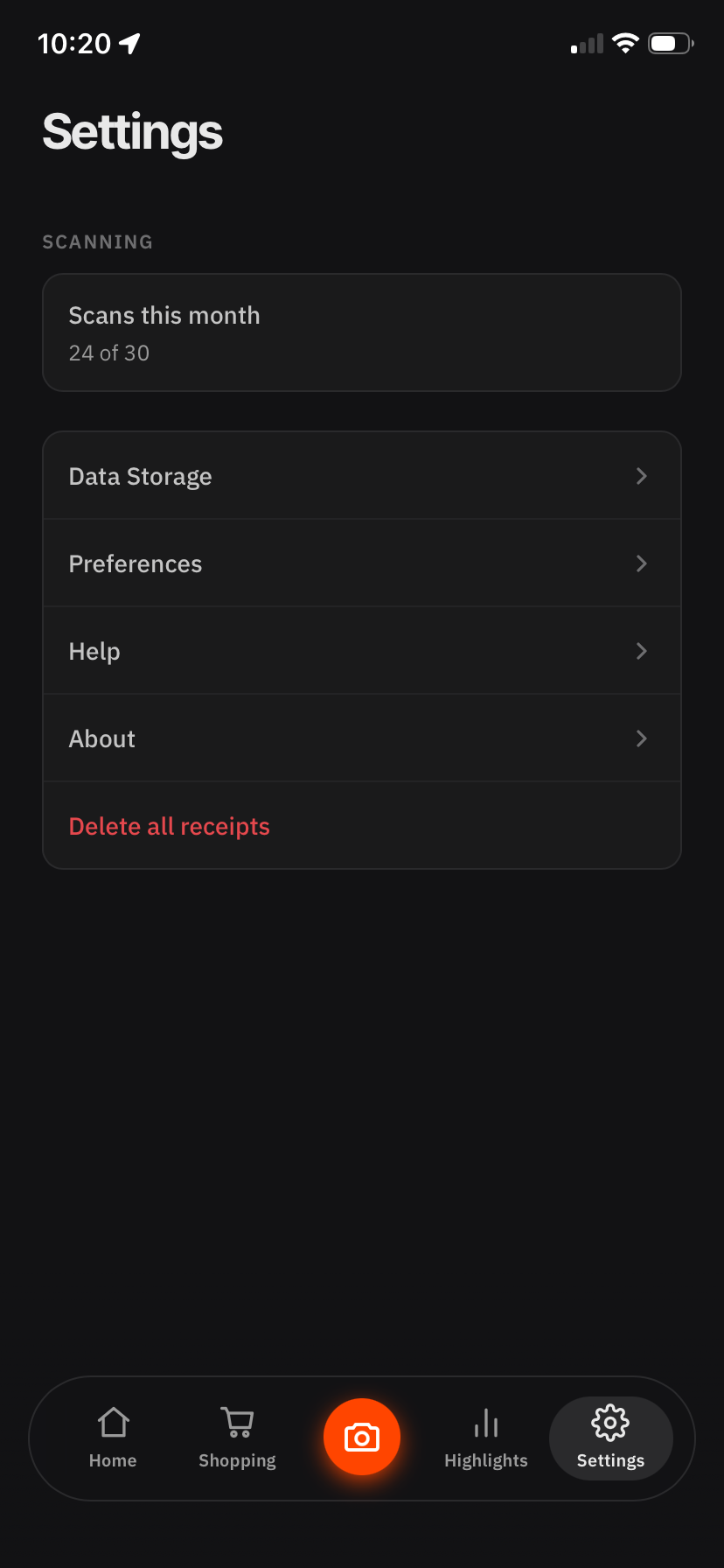
A money product normally asks people to create an account before it earns their trust. I chose the opposite. Free users can open Moolo, scan a receipt, and keep their history on their device without signing up. The first experience is about getting something useful from a receipt, not creating an account.

A receipt becomes a spending story
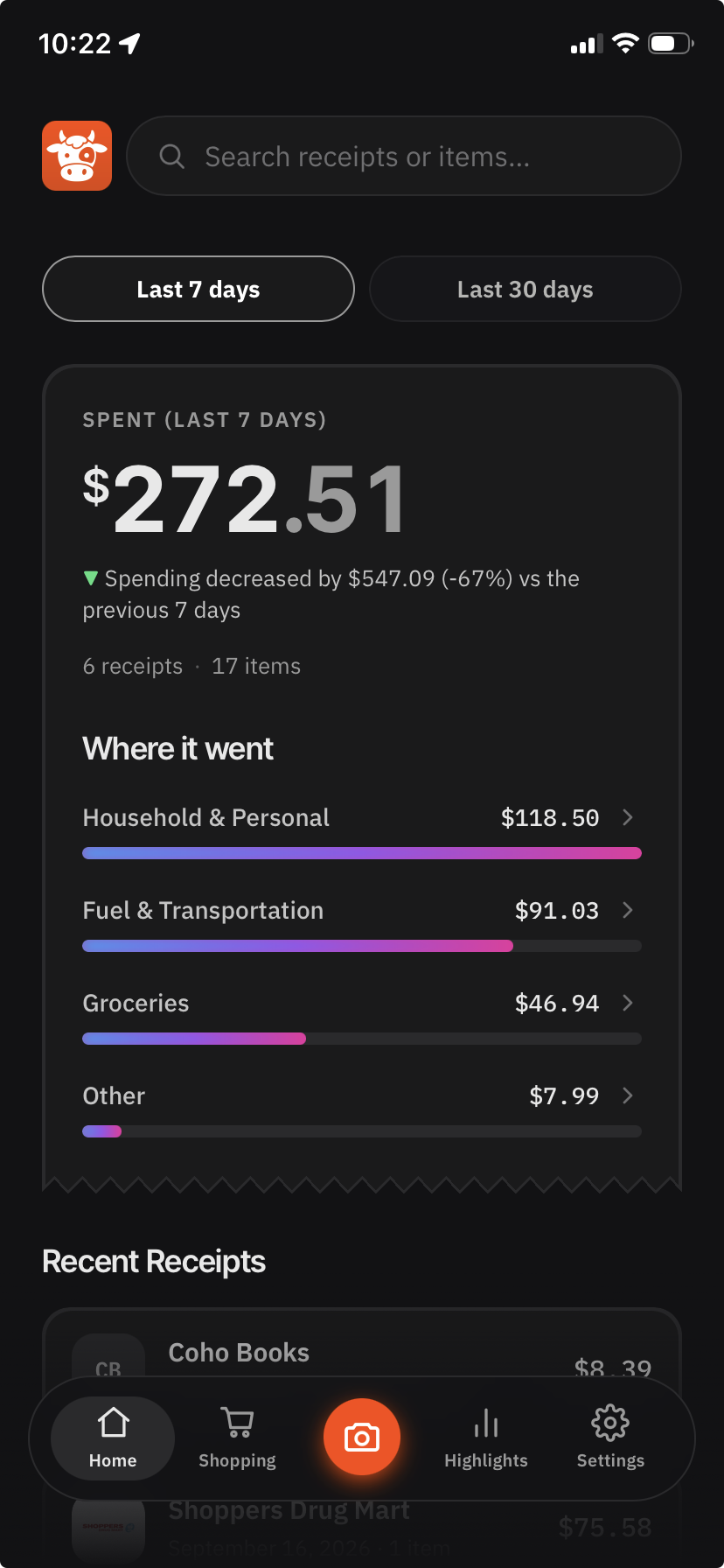
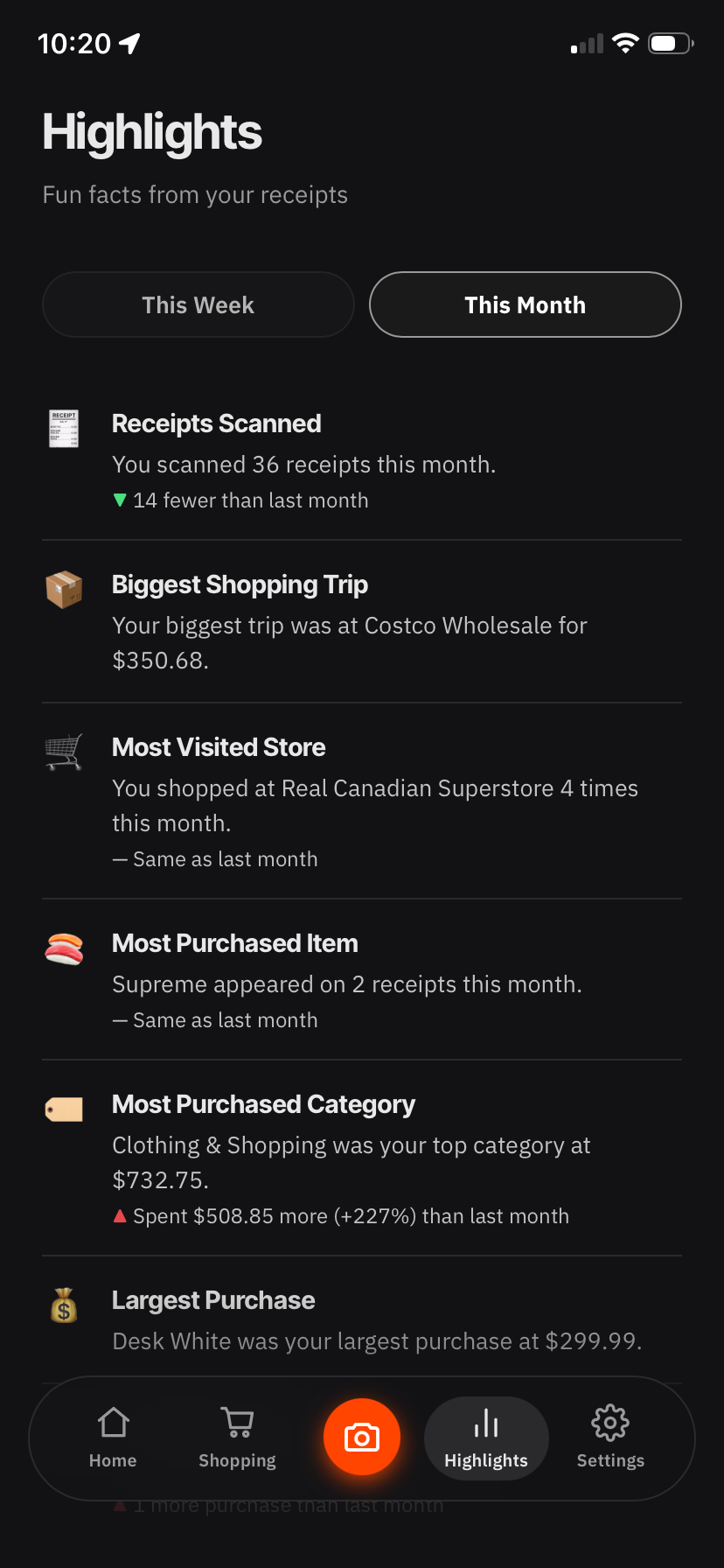
The scan is only the beginning. Clean item names and categories feed searchable history, weekly summaries, store patterns, and details such as separate GST and PST. I designed these as one connected loop, so each receipt makes Moolo more useful and people can move from a single purchase to a broader picture of where their money goes.
Receipts Scanned
You scanned 11 receipts this week.
Biggest Shopping Trip
Your biggest trip was at Costco for $123.87.
Most Visited Store
You shopped at Thrifty Foods 2 times this week.
Most Purchased Category
Groceries was your top category at $187.12.
Largest Purchase
Olive Oil was your largest purchase at $44.99.
Fresh Produce Purchased
Picked up bananas, cucumbers, and bell peppers.
Dairy Purchases
Bought cheddar cheese and vanilla ice cream.
Bakery Purchases
Picked up a sourdough loaf.
Coffee Runs
You made 4 coffee stops this week.
Sweet Treats
Picked up dark chocolate and gummy bears.
Household Supplies
Restocked paper towels and dish soap.
Seafood Purchases
Bought fresh salmon and a bag of shrimp.
Find a purchase without finding the receipt
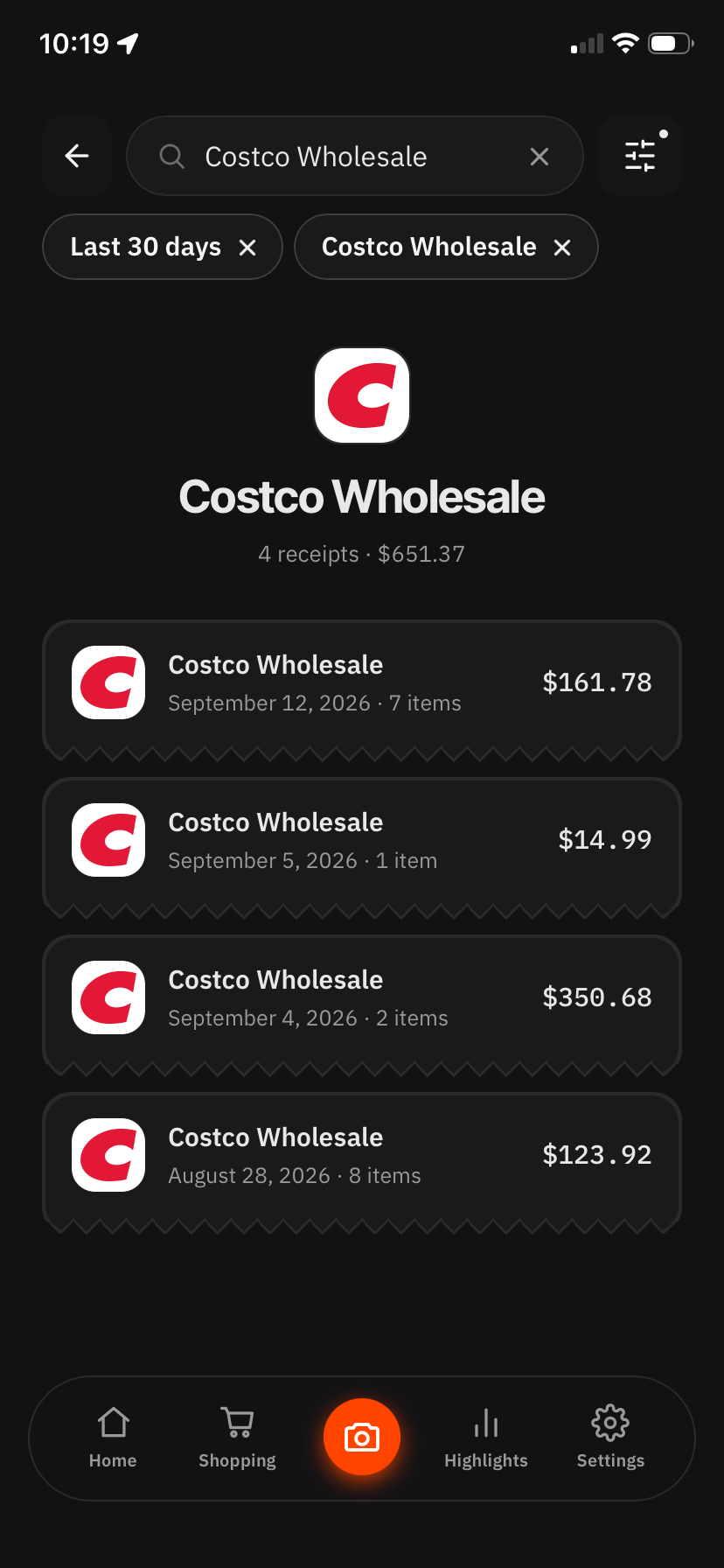
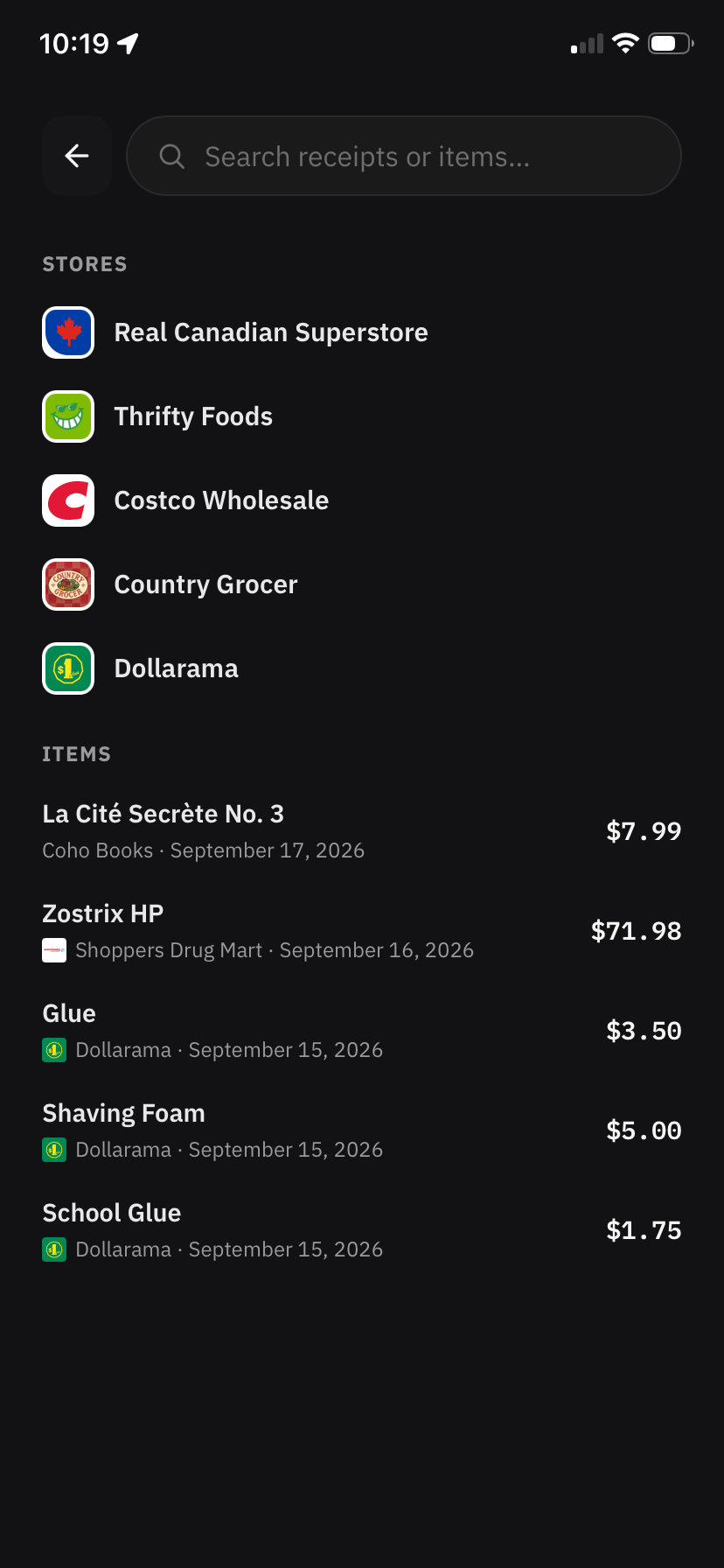
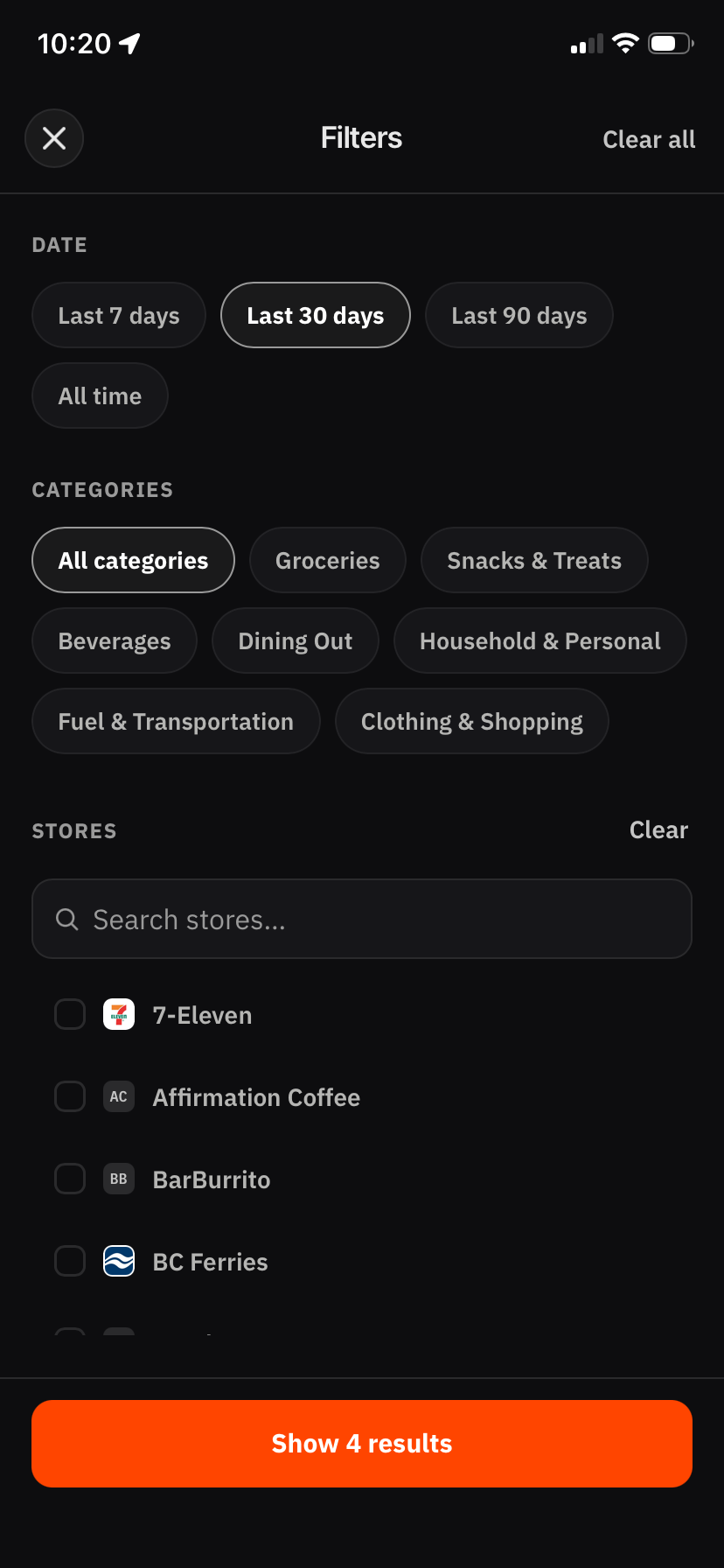
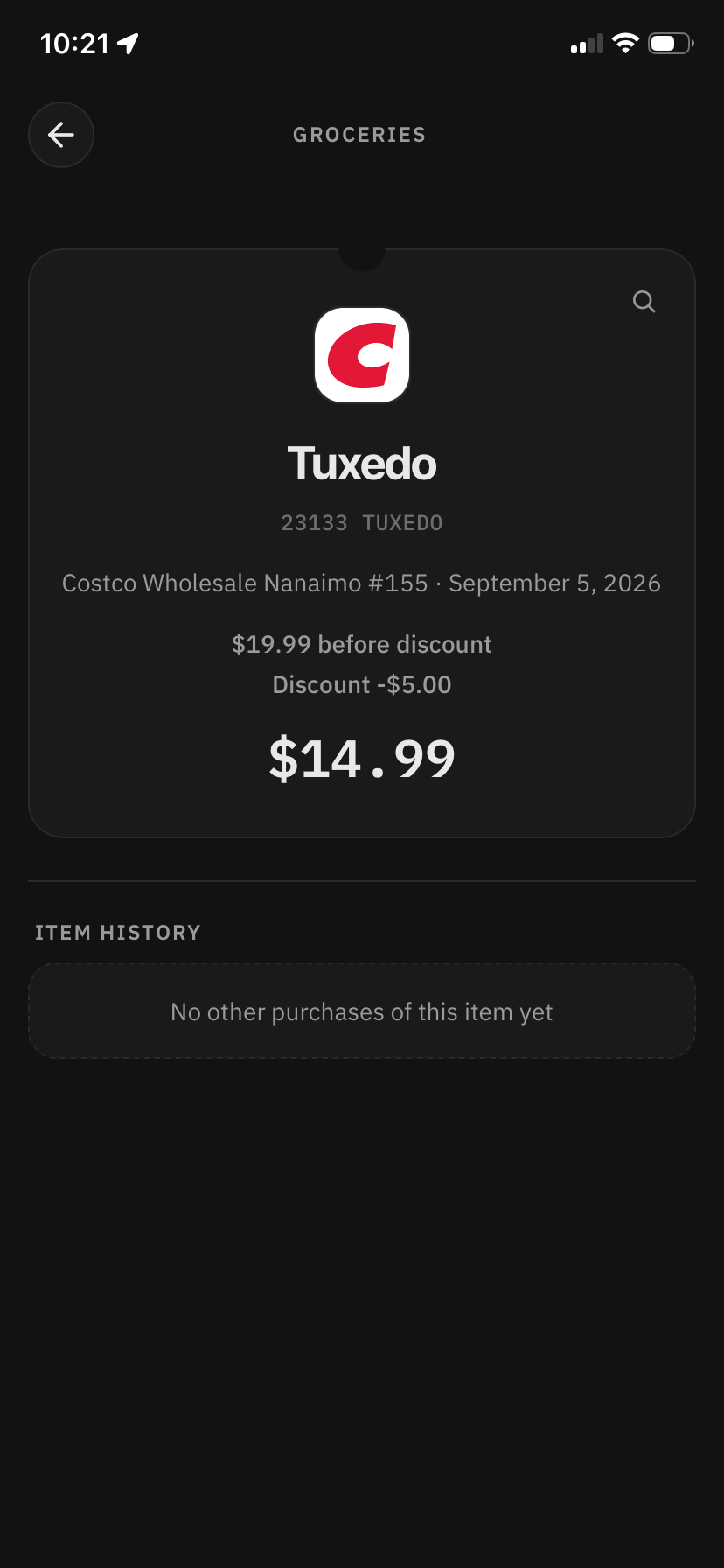
Receipts become more useful when you can find something months after buying it. I designed search to move from broad to specific: search for a store, see everything purchased there, open a receipt, then drill down to an individual item and its purchase history. What started as a pile of receipts becomes a searchable record of what you actually bought.

- Coffee Beans 2lb$14.99
- Oat Milk Latte$5.25
- Ground Coffee$8.99
- Coffee Filters$3.49
- Cold Brew 32oz$4.99
Plan the next trip with what you already bought
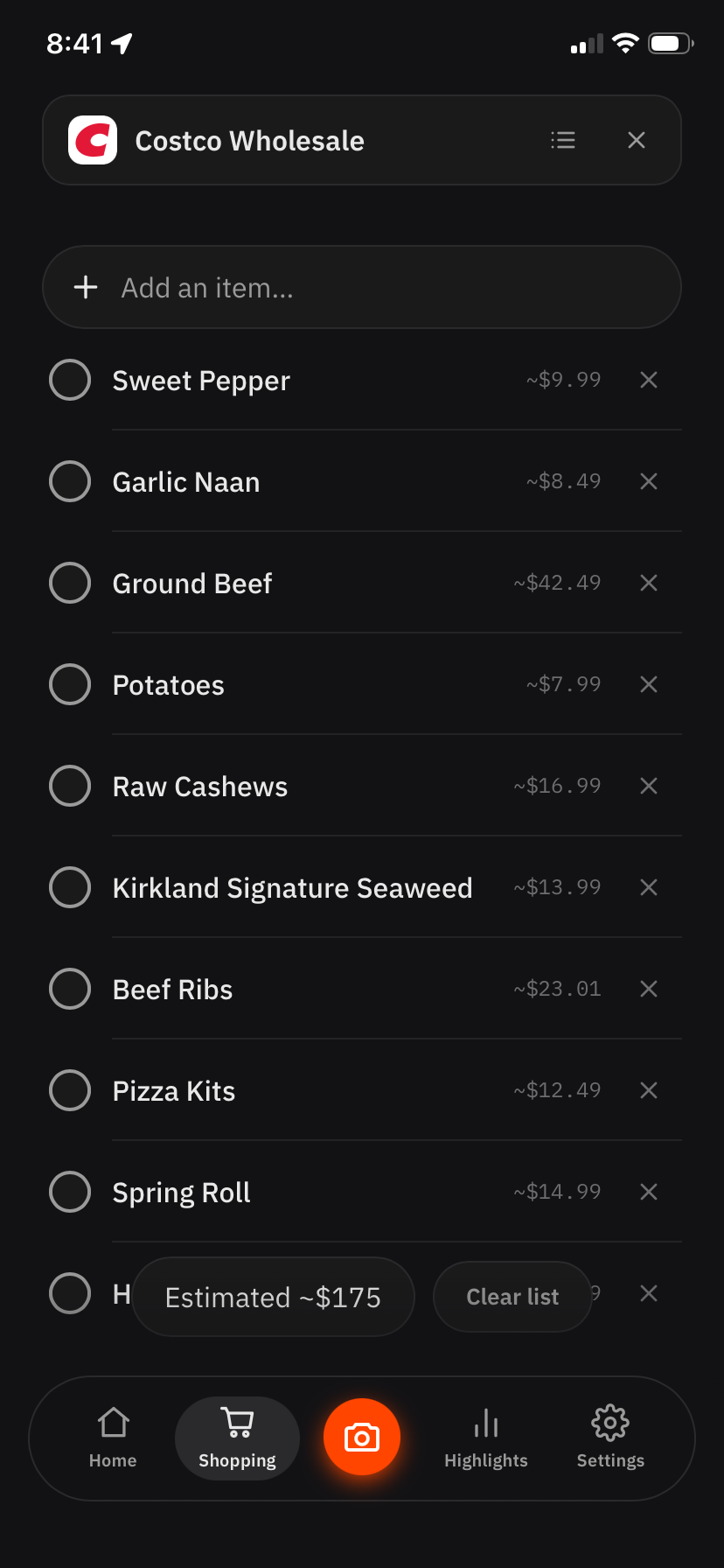
Shopping List turns past purchases into something useful before the next store visit. People can add items they have bought before, build a list, and see an estimated trip total based on their receipt history. It connects planning with actual purchase data, extending Moolo from understanding what you spent to helping anticipate what you might spend next.
Designing in the real product
Working solo meant product ideas met their technical cost immediately. I used AI-assisted coding to move key flows into a working build, then tested them with real receipts and messy states a polished mockup could hide: long scans, missing items, incorrect totals, camera permissions, and empty histories. That feedback helped me simplify the experience before shipping.
What shipped
Moolo is live on the App Store with receipt scanning, item cleanup, categories, tax handling, total verification, search, filters, shopping lists, and spending insights. Free users can start without an account and keep their history locally. With the first release now in people’s hands, the next step is learning from real usage rather than claiming impact before the data exists.
View moolo.io →What building Moolo taught me
- 01The hard part wasn't scanning a receipt. It was deciding what should happen when the scan was wrong.
- 02Receipt data becomes much more useful when it connects purchases over time, from finding an old item to estimating the next shopping trip.
- 03Designing and building the same product changed how I worked. Ideas that looked simple in Figma had to survive real receipts, real edge cases, and a product I could actually ship.