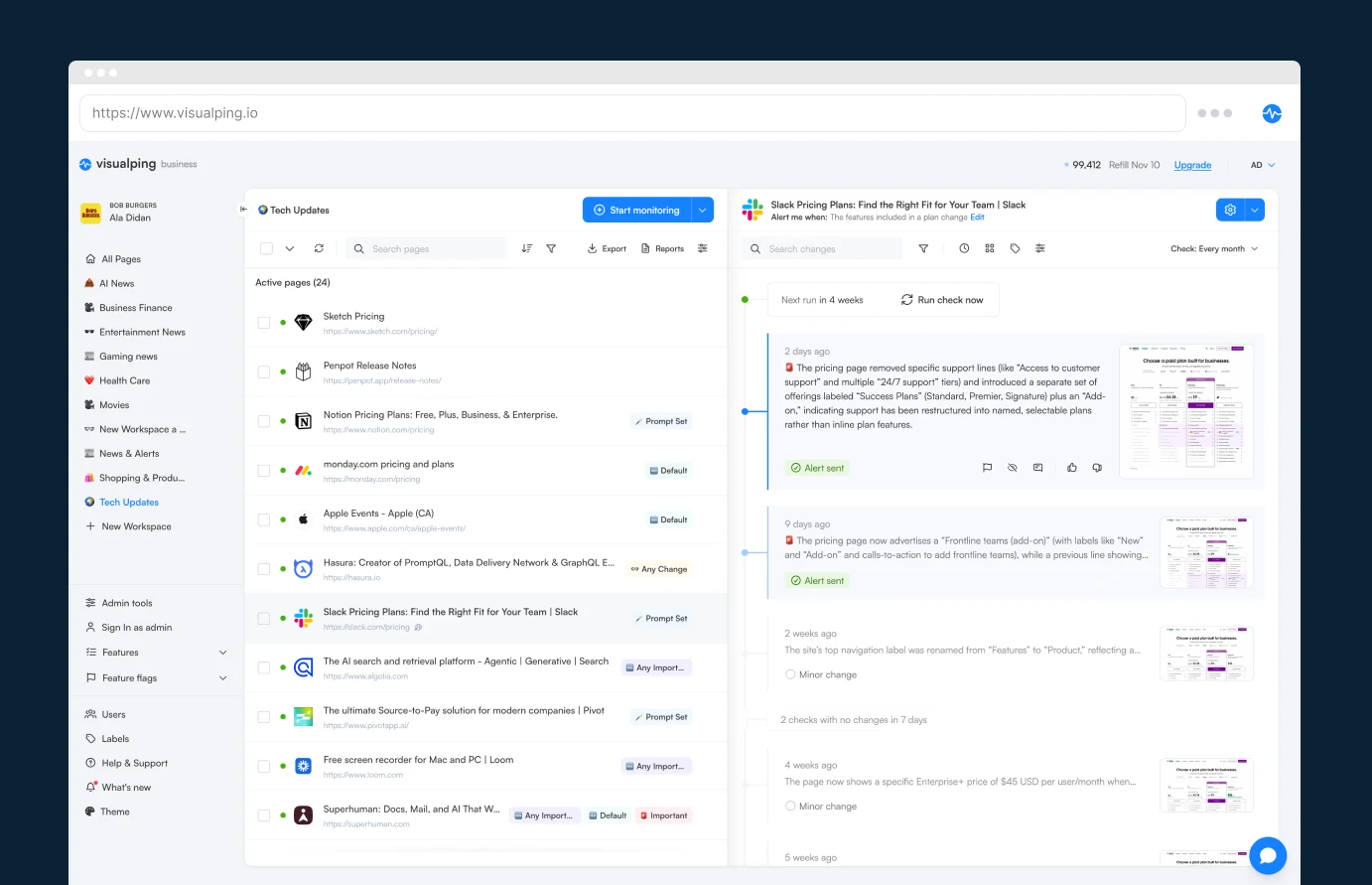
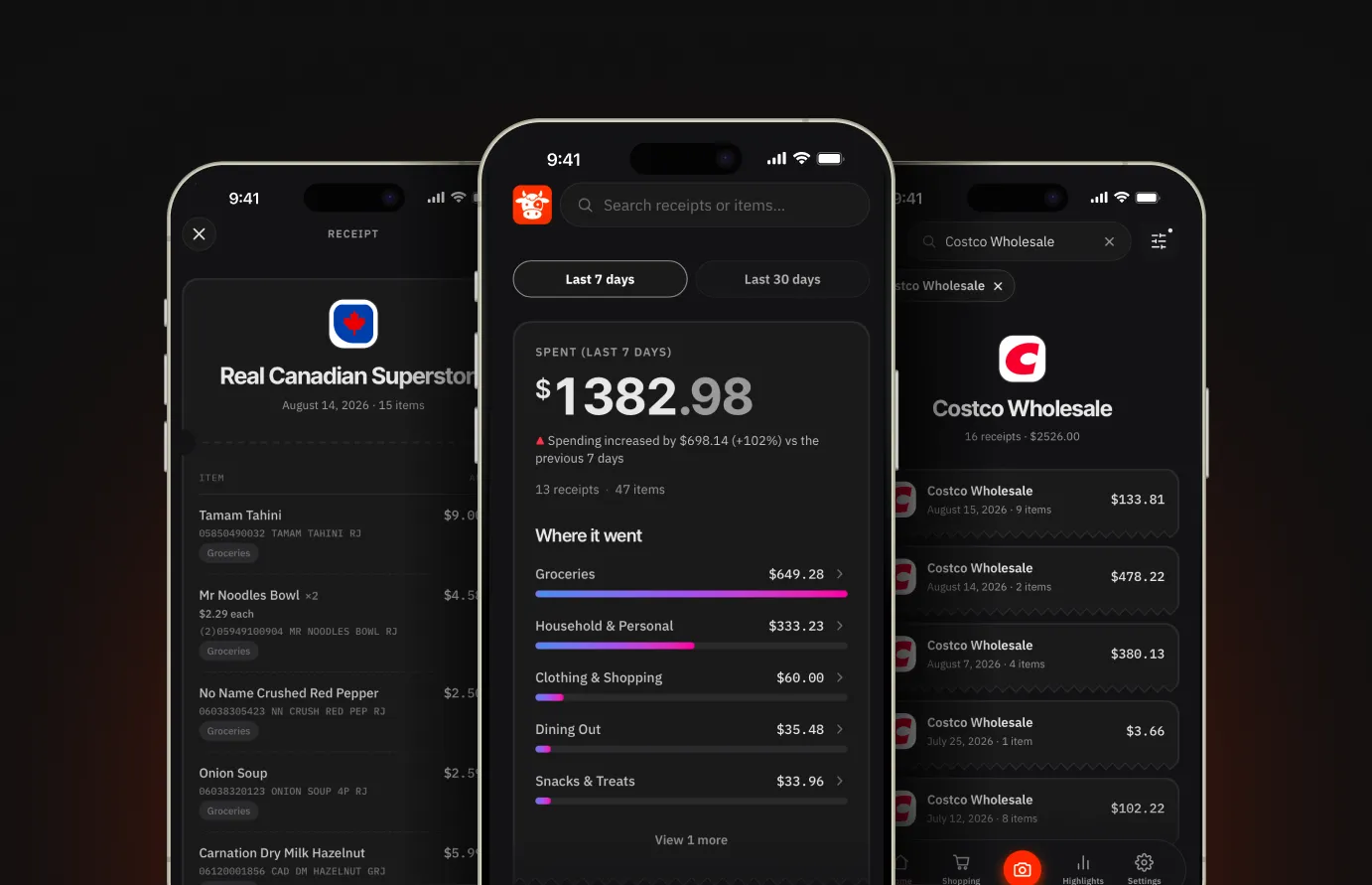
Conceptual Prints
Legacy in Focus: Poster Series Design

A self-directed study in distilling complex legacies into bold, editorial posters. No client, no brief. Just a chance to push my visual language, experiment with AI-assisted tools, and see how far restraint could carry a story.
Defining the Creative Brief
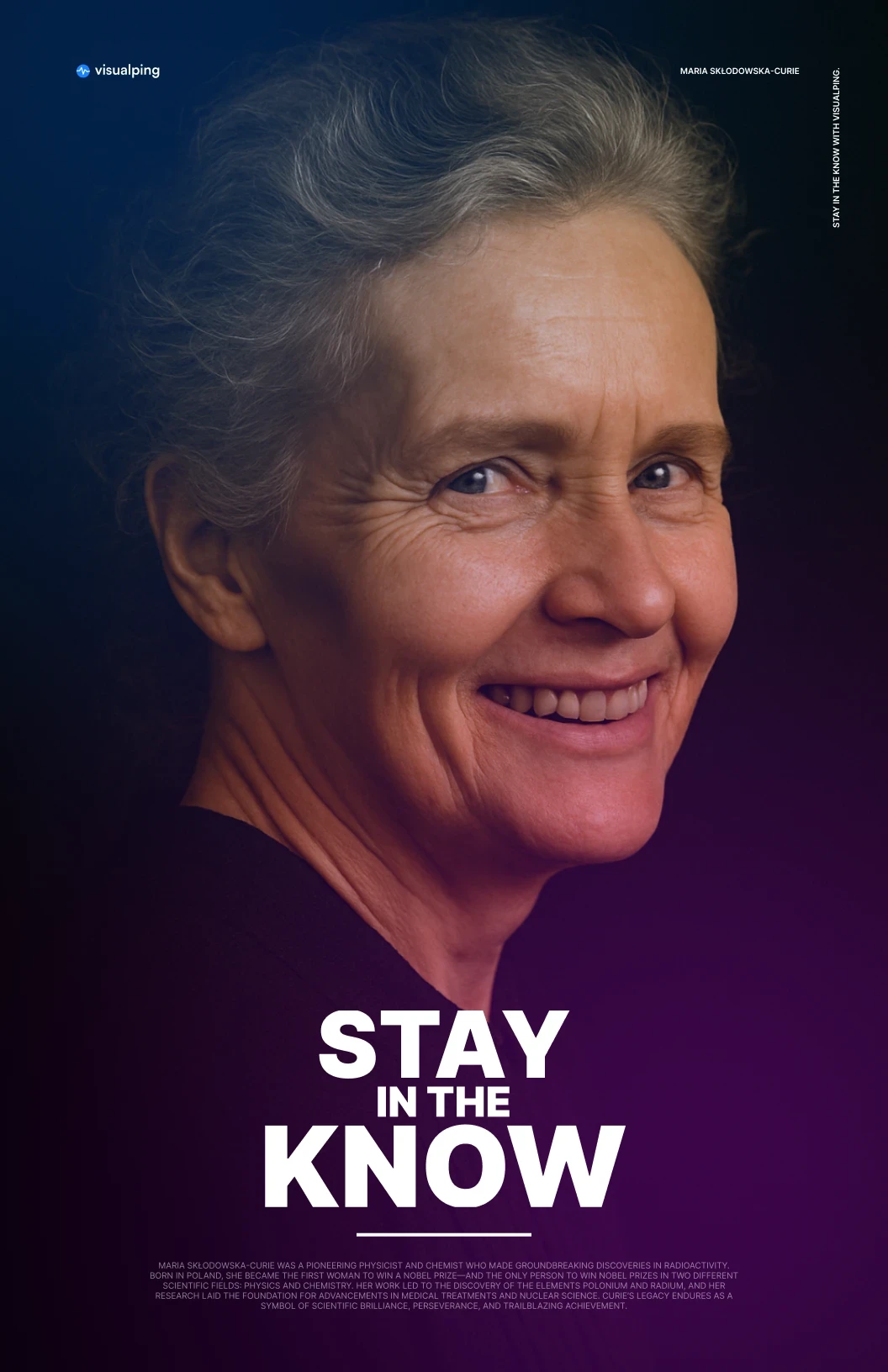
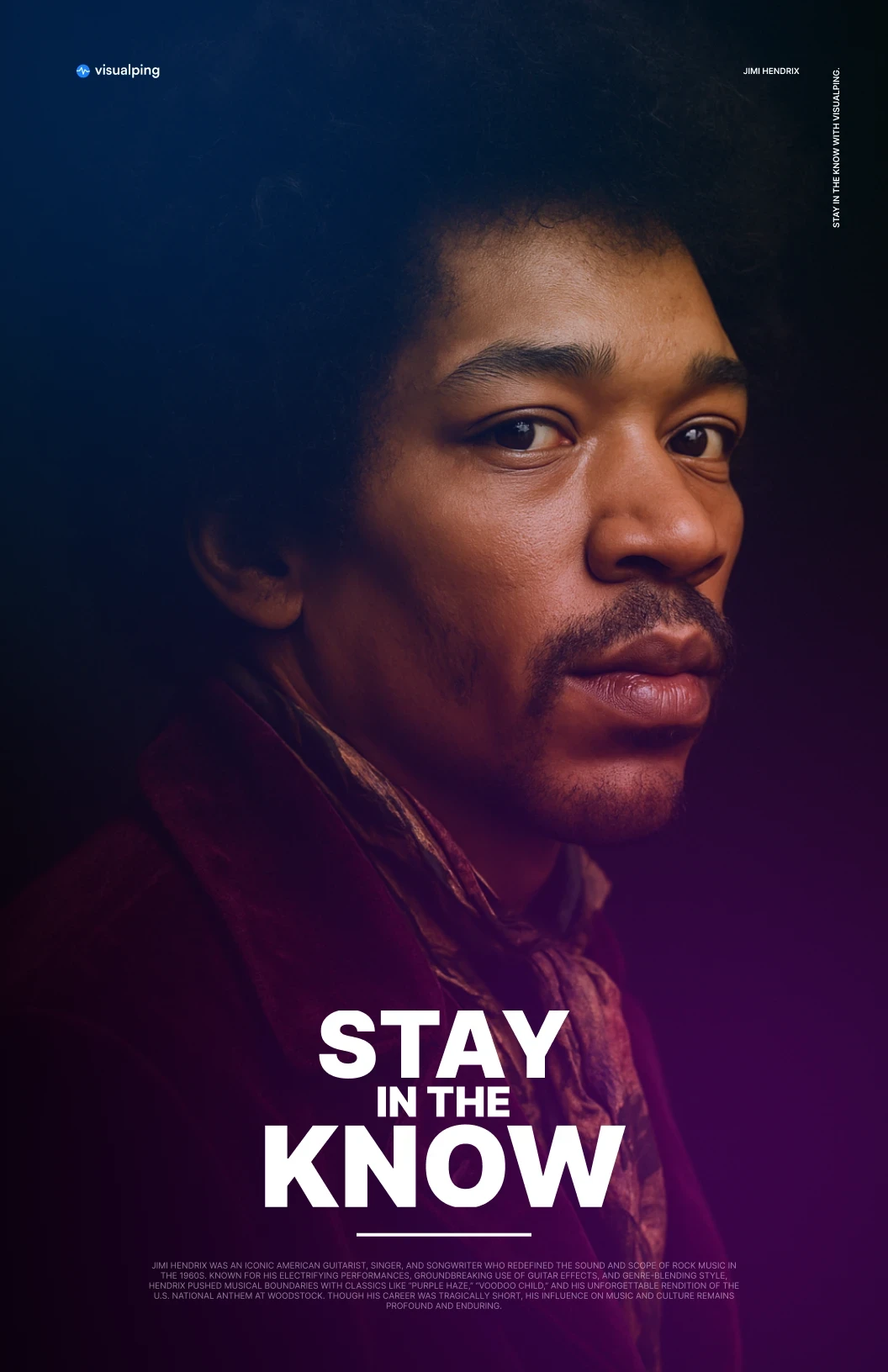
The challenge was entirely self-imposed: a cohesive series honoring influential figures, built on rules I set myself. Fixed proportions, a tight palette per piece, portrait-led compositions. The goal was to prove that structure doesn’t limit expression; it focuses it. Each poster had to land at a glance, then reward a closer look.




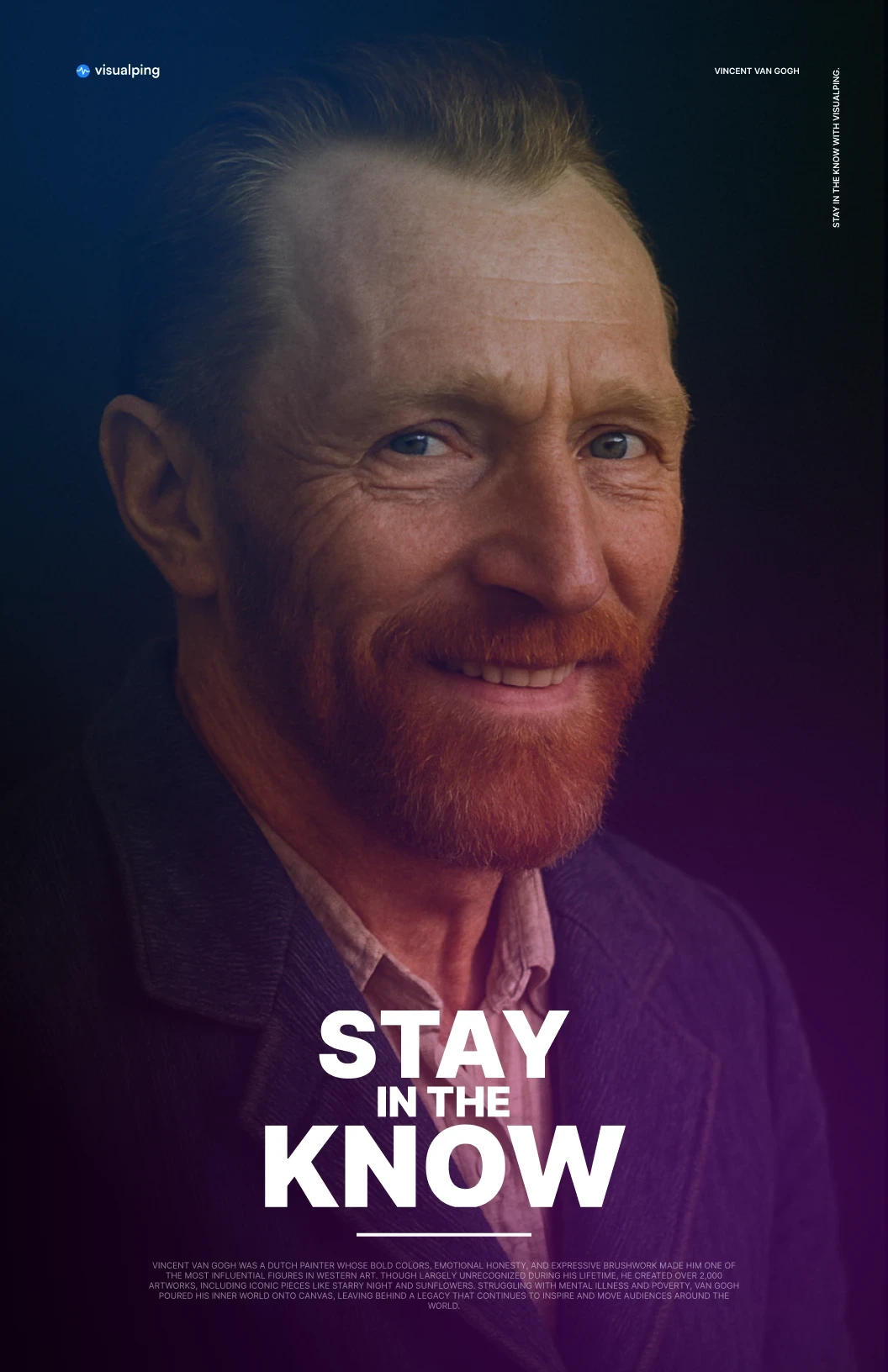

Iterating Toward Clarity
Across dozens of layouts, I pushed on portrait treatment, negative space, hierarchy, and color. Early versions tried to say too much at once. So I started removing: anything that didn’t serve the story had to go.

Each pass asked the same question: what can I cut while making the message stronger? Confidence, it turns out, comes from knowing what to leave out. I kept the compositions that connected instantly, without needing a caption to explain them.
Outcomes and Growth
The final series is a study in restraint. Designing with no deliverables and no stakeholders sharpened my instincts for hierarchy and balance, the same instincts product work depends on: deliberate choices under constraints, and the understanding that simplicity takes more decisions, not fewer.
Mostly, it reminded me why I design: turning an abstract idea into something that lands instantly. That mindset now shapes my UI work. Every pixel should clarify the message or get out of the way.
What I Learned
- 01Constraints breed creativity. A tight palette and format forced sharper solutions.
- 02AI is powerful for exploration, but curation and composition stay human.
- 03The first idea is rarely the best. Iteration reveals the stronger ones.
- 04Designing without external validation builds trust in my own judgment.